
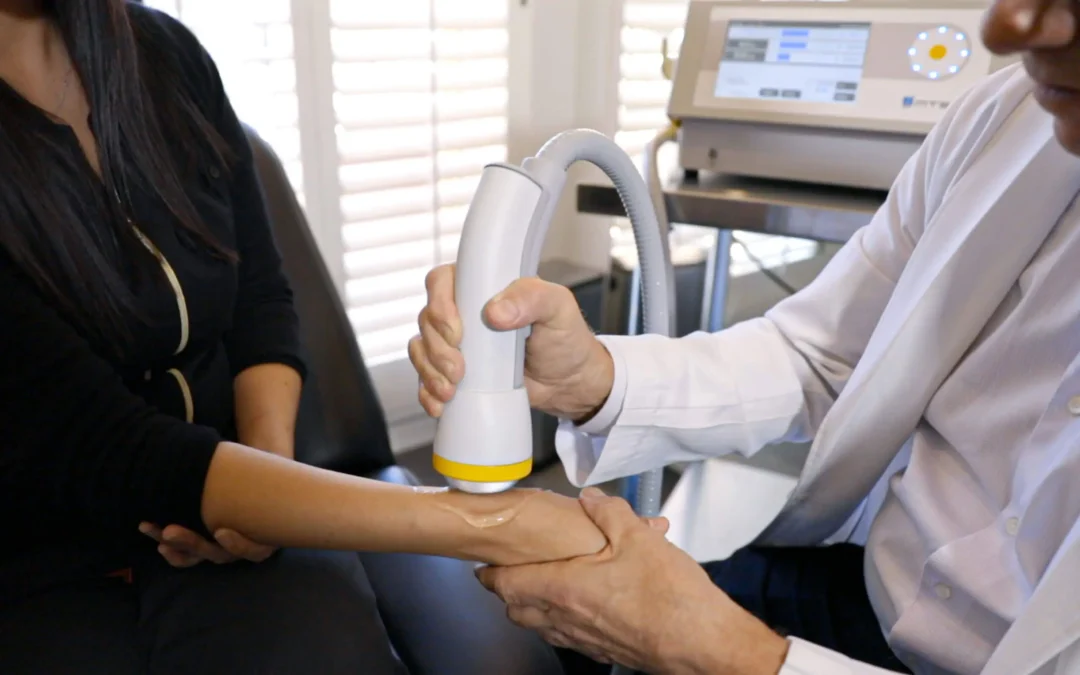
Stem cell therapy has emerged as a groundbreaking advancement in regenerative medicine. In recent years, it has gained widespread recognition for its potential to treat a variety of conditions, from sports-related injuries to degenerative diseases, offering patients in Tampa a promising alternative to traditional treatments.
Understanding Stem Cell Therapy
Stem cell therapy harnesses the body’s intrinsic regenerative capabilities to repair damaged tissues. Stem cells, which are undifferentiated cells, possess the unique ability to differentiate into specialized cell types, such as muscle, cartilage, or nerve cells. This remarkable characteristic enables stem cells to facilitate tissue repair and regeneration in areas of the body that have sustained injury or degeneration.
In clinical applications, stem cell therapy is used to address a wide range of conditions, including joint pain, osteoarthritis, tendinopathies, and musculoskeletal injuries. By promoting the regeneration of damaged tissues and reducing inflammation, stem cell therapy provides a non-invasive alternative to surgery, potentially leading to faster recovery and improved functional outcomes for patients.
The therapeutic potential of stem cells lies in their ability to stimulate healing processes at the cellular level, thereby enhancing tissue regeneration and reducing the need for more invasive interventions. This breakthrough has positioned stem cell therapy as a promising treatment option for individuals suffering from chronic pain, joint disorders, and various other musculoskeletal conditions.
How Stem Cell Treatment Works for Healing and Regeneration
Stem cell treatment in Tampa has shown promise in providing relief for those suffering from chronic pain, degenerative diseases, and injuries. Here’s how stem cell therapy works:
1. Cell Extraction:
The first step in stem cell therapy involves harvesting stem cells from the patient’s own body. The primary sources for stem cell extraction are bone marrow and adipose (fat) tissue. These tissues are carefully processed to isolate and concentrate the stem cells, ensuring they are suitable for therapeutic use.
2. Injection into the Affected Area:
Once the stem cells are prepared, they are administered via injection directly into the site of injury or degeneration. This targeted delivery ensures that the stem cells are placed precisely where healing is needed, commonly into joints, tendons, ligaments, or muscles, depending on the condition being treated.
3. Healing and Regeneration:
Following the injection, the stem cells begin to differentiate into specific cell types required for tissue repair, such as cartilage, muscle, or bone cells. This regenerative process stimulates the healing of damaged tissues, reduces inflammation, and enhances overall tissue regeneration. By promoting cellular repair, stem cells facilitate a natural recovery process without the need for invasive surgery.
The procedure is minimally invasive and typically performed on an outpatient basis, meaning patients can resume normal activities quickly.
Benefits of Stem Cell Treatment for Healing
Stem cell therapy offers a range of benefits for those seeking relief from pain and injury. Here are some of the key advantages:
- Natural Healing:
Since stem cells are derived from the patient’s own body, the risk of rejection is minimal. The body recognizes these cells as its own, facilitating faster integration and healing.
- Reduced Recovery Time:
Compared to traditional surgery, stem cell therapy offers a quicker recovery. Patients can often return to their regular activities within a few weeks, as opposed to the months required for surgical recovery.
- Non-Invasive:
Stem cell therapy involves only a small needle injection, unlike surgery, which requires incisions and a hospital stay. This makes stem cell therapy a preferred choice for many patients.
- Pain Relief:
Many patients find relief from chronic pain after therapy. Whether it’s joint pain, tendonitis, or muscle pain, stem cell therapy can help reduce inflammation and provide long-lasting relief.
- Regeneration of Damaged Tissues:
Stem cells can regenerate damaged tissues, which is particularly beneficial for people with degenerative conditions such as osteoarthritis or spinal disc problems. This promotes long-term joint health and functionality.
Conditions That Can Benefit from Stem Cell Treatment in Tampa
Stem cell therapy has been successfully used to treat a wide range of conditions, including:
• Arthritis: For those with osteoarthritis or rheumatoid arthritis, stem cell therapy aids in regenerating cartilage, reducing inflammation, and improving joint mobility and pain relief.
• Sports Injuries: Athletes suffering from repetitive strain, tendon tears, or ligament damage benefit from stem cell therapy, which accelerates healing and facilitates faster recovery.
• Back Pain: Chronic back pain from disc degeneration or herniation can be managed with stem cell injections, promoting spinal disc regeneration and reducing inflammation.
• Knee Injuries: Stem cell therapy is effective for knee injuries such as ligament tears and cartilage damage, fostering tissue regeneration and minimizing the need for surgery.
• Joint Pain: Stem cell injections reduce pain and inflammation in joints, including the hips, shoulders, and elbows, caused by injury or age-related degeneration.
Ready to Take the Next Step in Healing?
At Advanced Brain & Spine, we understand that stem cell treatment in Tampa can offer life-changing benefits for individuals suffering from chronic pain or injuries. However, it’s not the right solution for everyone. It’s essential to consult with a medical professional who specializes in stem cell therapy to evaluate your condition and determine if this treatment is suitable for you.
If you’re ready to explore how stem cell therapy can support your healing and regeneration, contact Advanced Brain & Spine today to schedule your consultation. Our expert team is here to help you take the first step toward a faster recovery and improved quality of life.