
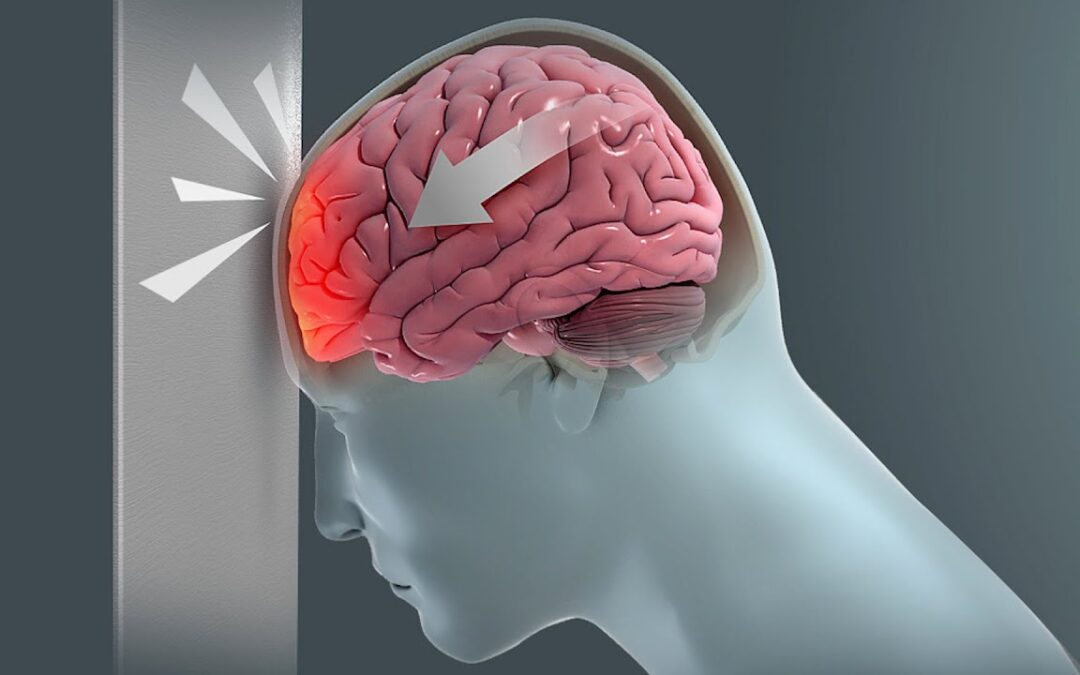
What should you do first when a head injury occurs, and symptoms do not seem clear right away? Head trauma can affect the brain in ways that are not immediately visible, even when there is no loss of consciousness or external injury. Symptoms may appear hours or days later, affecting memory, balance, mood, or physical comfort. Medical guidance emphasizes the importance of early response, careful observation, and timely neurological evaluation to reduce long-term complications and protect brain health after trauma.
Immediate Response After Head Trauma and Why Early Care Matters
After a head injury, safety and observation are the first priorities. First aid head injury treatment focuses on minimizing further risk while watching for changes that may indicate neurological involvement.
Initial response typically involves monitoring physical and cognitive signs closely. Confusion, headaches, dizziness, nausea, sensitivity to light, or unusual behavior may suggest that the brain has been affected. Even when symptoms seem mild, avoiding strenuous activity and additional impact is critical until medical evaluation occurs.
Early attention helps connect immediate care with follow-up assessment when symptoms do not resolve or begin to interfere with daily life.
First Aid Head Injury Treatment and the Transition to Medical Evaluation
First aid head injury treatment plays an important role in early safety, but it does not replace neurological care. Many head injuries involve subtle changes in brain function that require medical examination rather than observation alone.
After initial care, medical evaluation may include a detailed neurological exam that assesses memory, reflexes, balance, coordination, and sensory response. Physicians also review how the injury occurred to understand the direction and force of impact and how it may have affected the brain and cervical spine. This step helps determine whether further testing or imaging review is appropriate.
Early medical involvement helps ensure that symptoms are not dismissed or overlooked.
When Symptoms Indicate the Need for Head Injury Treatment in Tampa
Persistent or worsening symptoms often signal the need for head injury treatment in Tampa under neurological supervision. Head trauma frequently affects more than one system, with cognitive symptoms occurring alongside neck pain, nerve irritation, or sleep disruption.
Signs that warrant medical attention after head trauma
Symptoms that commonly prompt further evaluation include ongoing headaches, difficulty concentrating, mood changes, dizziness, balance issues, and sensitivity to noise or light. These concerns may appear days after the injury and can interfere with work, driving, or daily activities.
Seeking head injury treatment in Tampa allows for coordinated assessment that considers both neurological and pain-related factors rather than treating symptoms in isolation.
How Medical Care Addresses Brain and Spine Interaction After Injury
Head injuries rarely affect the brain alone. The neck and spinal structures often absorb force during trauma, contributing to nerve-related pain and prolonged symptoms. First aid head injury treatment addresses immediate concerns, but medical care focuses on how these systems interact over time.
Clinical evaluation often includes neurological assessment combined with pain medicine review to identify overlapping contributors to symptoms. Imaging interpretation may be used to correlate reported concerns with physical findings. Ongoing monitoring allows physicians to observe changes in neurological function and adjust care as needed.
This structured approach supports accurate diagnosis and avoids fragmented care.
Ongoing Observation and Documentation Following Head Trauma
Recovery after a head injury is not always predictable. Head injury treatment in Tampa often includes follow-up visits to track symptom progression and neurological stability.
Why continued medical documentation matters
- Follow-up neurological examinations help assess cognitive clarity, balance, and sensory response over time.
- Medical records document how symptoms evolve, stabilize, or change following trauma.
- Clear clinical documentation supports personal injury cases by outlining injury-related findings and timelines.
- Consistent records assist attorneys, insurers, and referring providers in understanding medical conclusions.
Ongoing observation ensures that care remains aligned with the patient’s neurological status rather than a fixed recovery expectation.
Where Focused Neurological Care After Head Injury Begins
Advanced Brain & Spine provides neurological and pain medicine care for individuals recovering from head trauma, with locations in Tampa and Land O Lakes. The practice is led by a board-certified physician in neurology and pain medicine with focused experience in neuroimaging interpretation and injury-related evaluation.
Patients receive extended visit time, thorough neurological assessment, and access to services such as hyperbaric oxygen therapy when clinically appropriate. For those who have already received first aid head injury treatment and continue to experience symptoms, scheduling a focused neurological evaluation offers a clear path toward understanding injury-related changes and protecting long-term brain health.